
March 23, 2022
The Internet of Things
Allison Lawrence

What is the connection between air conditioning, cars, and heart rate monitors?
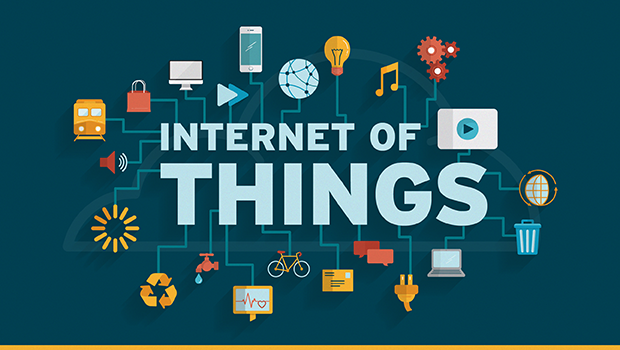
They are all devices connected to the internet, sharing and collecting data, as part of the internet of things, otherwise known as IoT. IoT consists of 18 billion devices as of 2022 and that number is only growing. IoT allows for a much more connected world where everything interacts and communicates with each other. They can come in all shapes and sizes as well with a variety of applications.
Smart Home
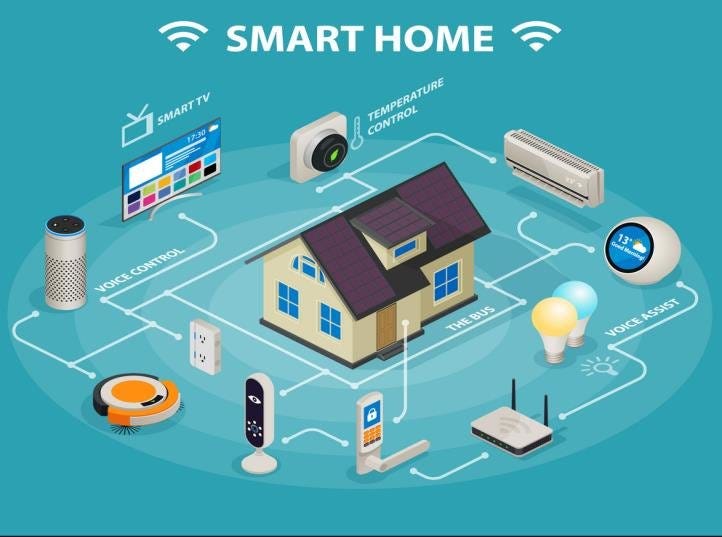
The days of wondering if you forgot to lock your door or turn off the AC after going on vacation are becoming things of the past. Smart homes are becoming progressively more popular with home appliances now being easy to control from a smart phone even when you are already miles away. It is not even just appliances either. There are also many voice controlled products that can be used to control music and to even order an Uber such as the Amazon Echo.
Wearables
Watches are no longer accessories that just tell time. Now, smart watches are taking over that have the power to track health and fitness, receive phone calls and messages, and more while of course still showing the time. Apple, Fitbit, and Jawbone are just a few of the many companies producing these in addition to startups such as UK based Tended. Of course, watches are just one example of wearable IoT. There are also glasses, belts, trackers, and hearing aids.
Agriculture
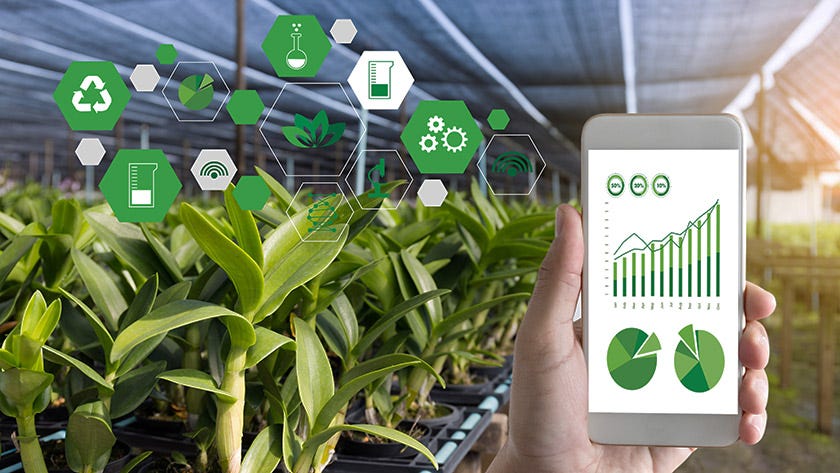
The use of IoT has greatly improved farming by making it easier to keep track of livestock and reduce water usage. Smart farming involves putting a variety of sensors into the ground to record weather information and monitor crop health by being able to determine when water is necessary as well as to determine the best time to plant and harvest crops. Drones are also used to spread pesticides and fertilizers over crops and easily see how far along they are in their growth cycles. Additionally, IoT can be used to protect livestock by being able to use a chip to see in real time where they are located, making it possible to notify the farmer if one escapes.
Overall, IoT has many advantages. It increases automation which means it is more reliable in the quality and time it takes to do certain tasks. IoT also helps to reduce cost by making bottlenecks or breakdowns more apparent quicker as well as being able to better utilize energy. This is because it easily allows for continuous, real time data.
However, that does not mean it is without faults. Since IoT devices are all connected, they are susceptible to hackers and cyber-attacks. Also, if one IoT device experiences a failure, this can cause problems for other connected devices as well.
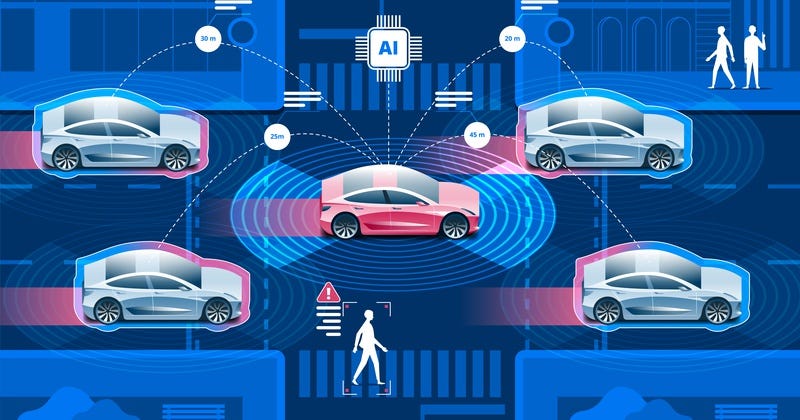
The future of IoT is looking very promising. New advancements in healthcare are starting to gain traction with IoT devices making it easier for doctors to monitor patient’s health. Then as companies continue to expand 5G availability, more areas will be able to make use of faster data and energy efficiency necessary to fully utilize IoT. The automobile industry is also in the midst of a technological revolution with the self driving car. While these are far from becoming the standard, the use of IoT will be critical to ensure the safety of drivers.
There is no limit to what IoT will be capable in the future. It won’t be long until every device will be connected to the internet and with that, a wave of technological advancements is upon us.